Wire Act On Trial: Does Online Gambling Hang In The Balance?
The 1961 Wire Act wasn’t supposed to be a controversial law, and for most of its existence, it wasn’t. But then internet gambling sprang into being. The lack of law and regulation pertaining to the internet sent law enforcement scrambling to find anything that might apply to this new delivery channel.
And with that, the Wire Act became quite controversial.
On Thursday, the First Circuit Court of Appeals will hear oral arguments in the case of New Hampshire Lottery Commission; Neopollard Interactive v. the US Department of Justice – A case that revolves around the Wire Act’s applicability to online gambling.
1961: The Genesis of the Wire Act
The 1961 Wire Act was enacted to prosecute organized crime, by going after one of the Mafia’s biggest rackets.
As Michelle Minton notes in the abstract of her definitive paper on the Wire Act:
“Recognizing the growing threat of organized crime, then U.S. Attorney General Robert F. Kennedy sought to get the “bankrollers and kingpins” by introducing the Federal Wire Act in 1961, which sought to target the mob’s most profitable racket—bookkeeping on horseracing and sports gambling by prohibiting such gambling on the nation’s communication system at the time (telephone and telegraph).”
The Wire Act soon gave way to less limited laws such as the 1970 Racketeer Influenced and Corrupt Organizations Act (RICO), and may have become just another obscure law had it not been for the rise of internet gambling.
2002: DOJ Weighs In
In 2002 the Department of Justice Criminal Division responded to a request from Nevada gaming regulators regarding a 2001 law the state passed that opened the door for online gambling.
Michael Chertoff, then-acting Assistant Attorney General in the DOJ’s Criminal Division, responded thusly:
“[T]he Department of Justice believes that federal law prohibits gambling over the Internet, including casino-style gambling.”
However, as Minton notes, “Chertoff provided no rationale for this conclusion, other than citing the Wire Act itself,” and was at odds with “legal scholars, court rulings, and other DOJ staff who continued to question the Wire Act’s applicability to non-sports gambling.”
The DOJ sent a similarly worded letter to the state of North Dakota in 2005, and the department’s stance remained the same until 2011.
2011: The OLC Opinion
At the request of Illinois and New York, the DOJ’s Office of Legal Counsel issued an opinion on the legality of online gambling in the US. The crux of the 2011 opinion was the conflict between the DOJ’s current interpretation of the Wire Act and UIGEA on the subject of intrastate online gambling and intermediary routing of data:
“The Criminal Division further notes, however, that reading the Wire Act in this manner creates tension with UIGEA, which appears to permit out-of-state routing of data associated with in-state lottery transactions.”
The result was an OLC opinion dated Sept. 20, 2011, that reads, “… interstate transmissions of wire communications that do not relate to a “sporting event or contest,” 18 USC. § 1084(a), fall outside of the reach of the Wire Act.”
The 2011 OLC opinion brought about legal intrastate online lotteries, online casinos, and online poker sites.
2018: DOJ Reverses Course
In 2018, the OLC issued a new, controversial opinion, rewinding the 2011 opinion, and reasserting its previous “all forms of online gambling” stance on the Wire Act.
The new opinion concludes:
“While the Wire Act is not a model of artful drafting, we conclude that the words of the statute are sufficiently clear and that all but one of its prohibitions sweep beyond sports gambling. We further conclude that that the 2006 enactment of UIGEA did not alter the scope of the Wire Act.”
However, with more than a dozen states offering online lottery sales and online casino and poker games, the opinion came under fire, culminating with a lawsuit filed by the New Hampshire Lottery (the oldest US lottery) and its supplier Neopollard.
New Hampshire Lottery Takes the DOJ to Court
The first salvo in the unfolding legal case occurred in the US District Court of New Hampshire. US District Court Judge Paul Barbadoro ruled in favor of the plaintiffs.
The DOJ appealed Judge Barbadoro’s ruling, and that leads us to this week’s oral arguments in the First Circuit Court of Appeals.
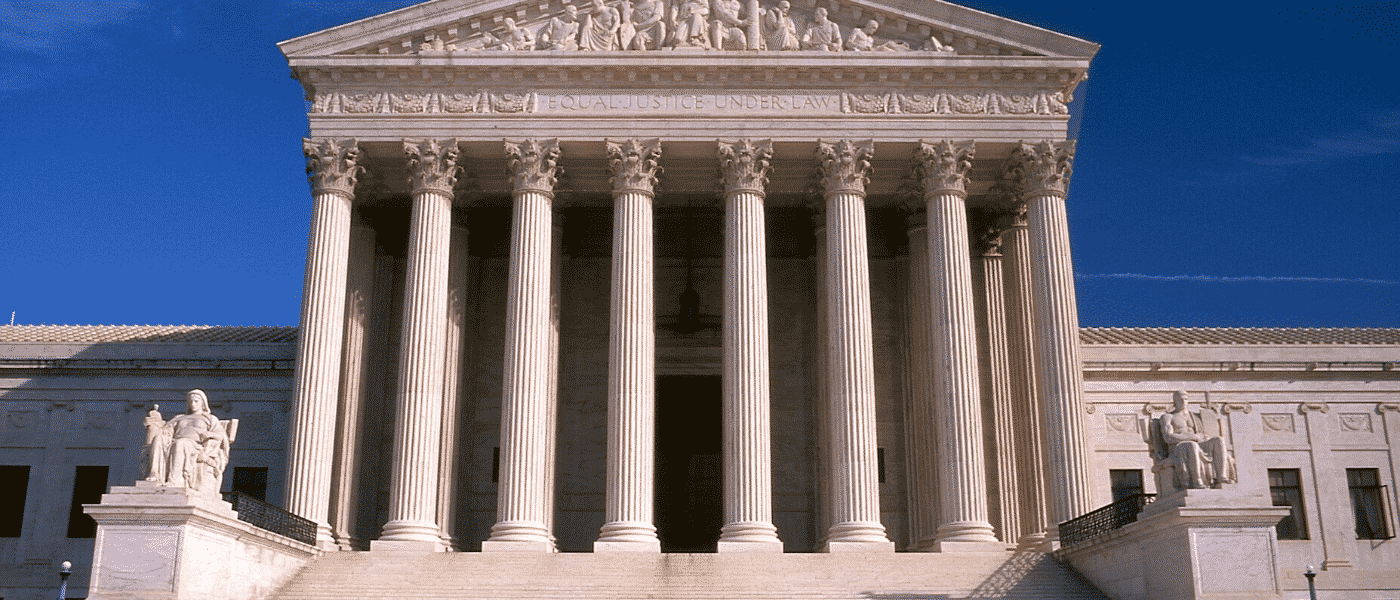
The belief is New Hampshire will continue to come out on top, but the end is likely the Supreme Court. And I’d remind everyone that New Jersey lost every court case up until the Supreme Court repealed PASPA.

Steve Ruddock is the content director for BettingUSA and the Editor-in-Chief of Gaming Law Review.
Steve has covered the legal and legislative developments in the US gambling sector for more than a decade for online and print publications.